web
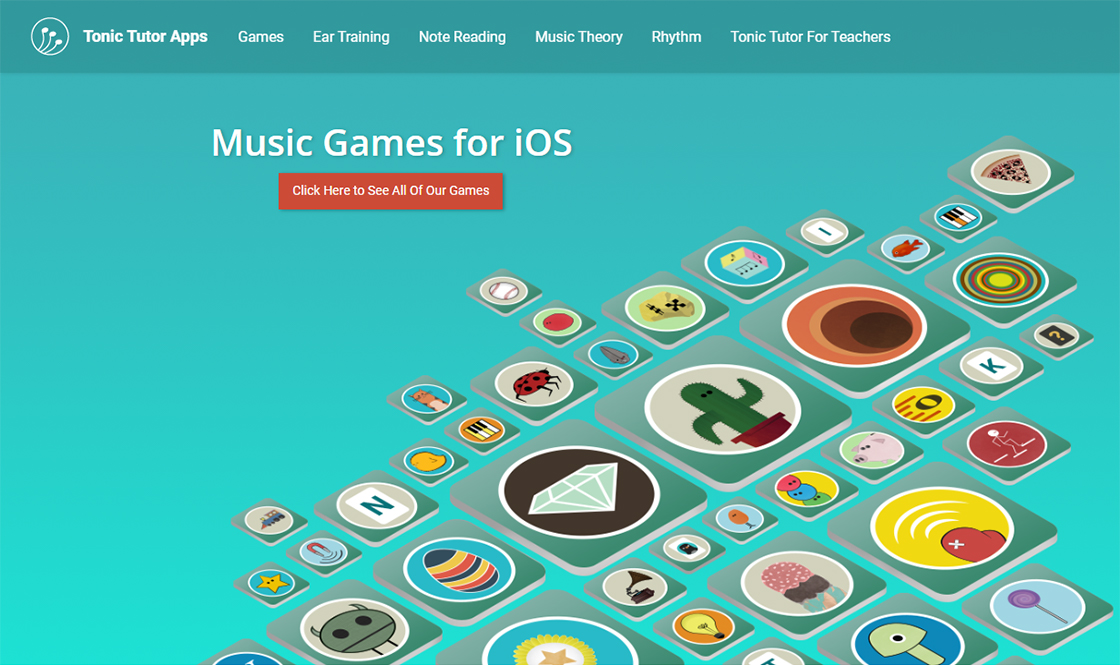
Tonic Tutor
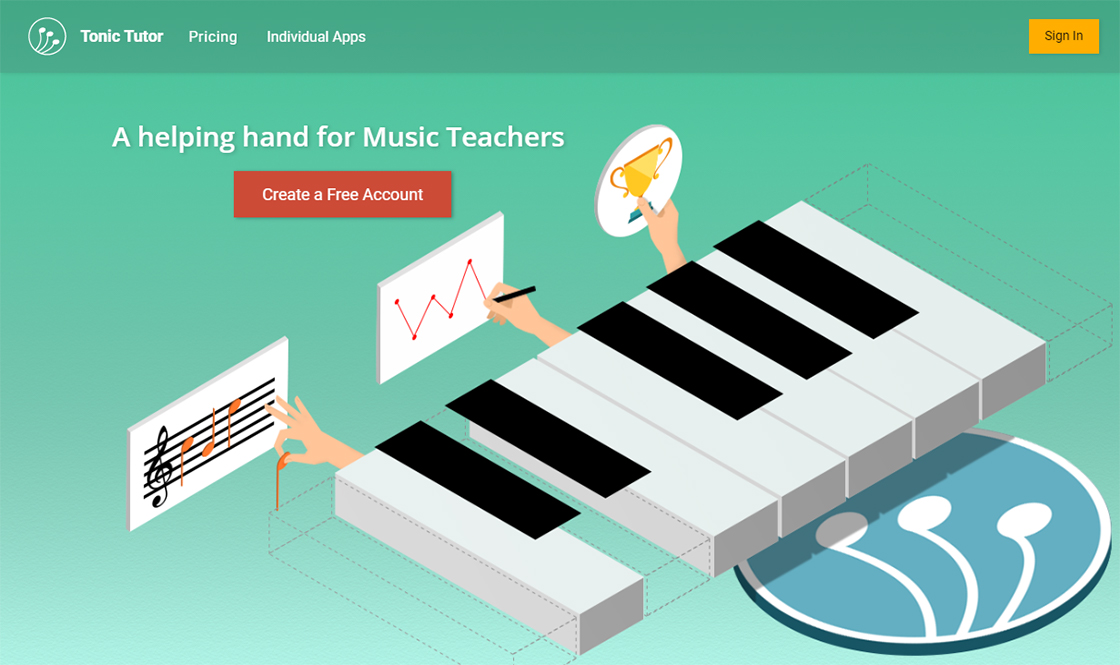
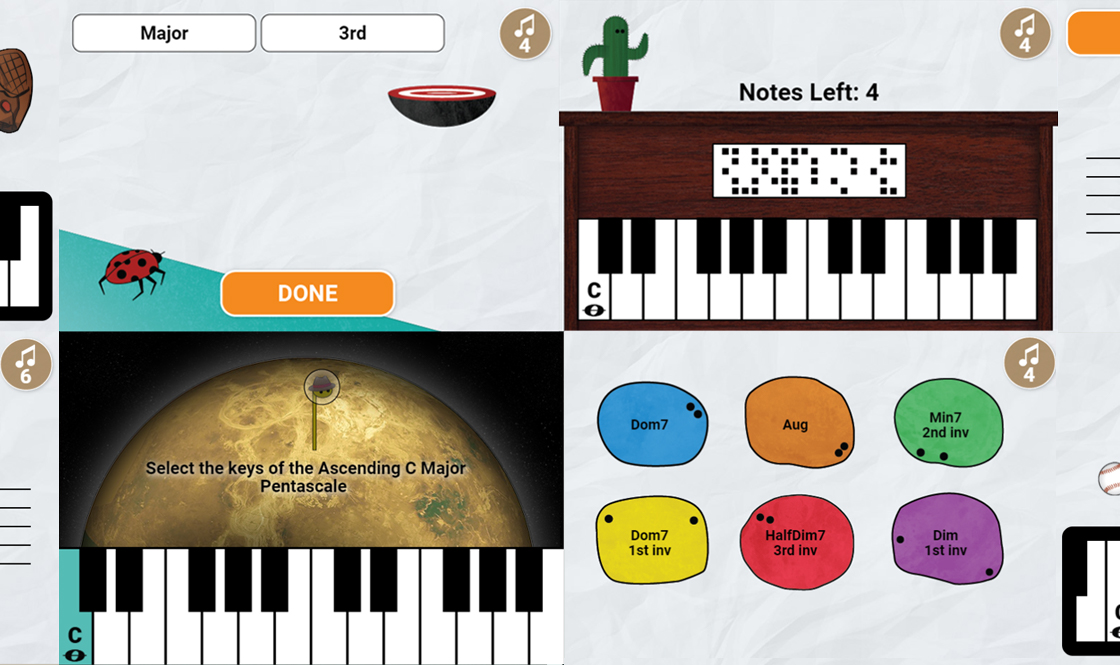
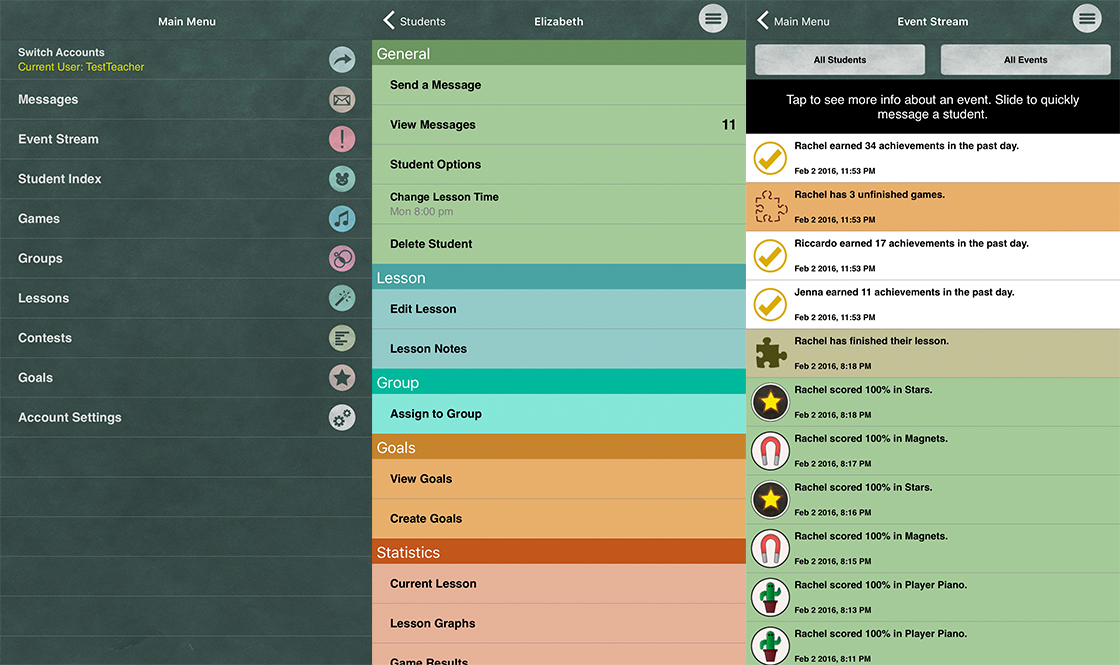
A web application developed for music teachers and their students. Students can hone their skills while playing games and having fun, and teachers can track their progress and reward their students when they improve.
Technology: CakePHP
http://www.tonictutor.com
Green Bee Books
I wanted to create a site that had a whimsical look that complemented some illustration work I had laying around. Colour is used to draw the viewer's eye to interactive elements on the page and a contest page allows users to upload their own images to the site.
Technology: Photoshop, Illustrator, XHTML, CSS, Javascript, Jquery, PHP, MYSQL
Green Bee Books
Christine Donkin
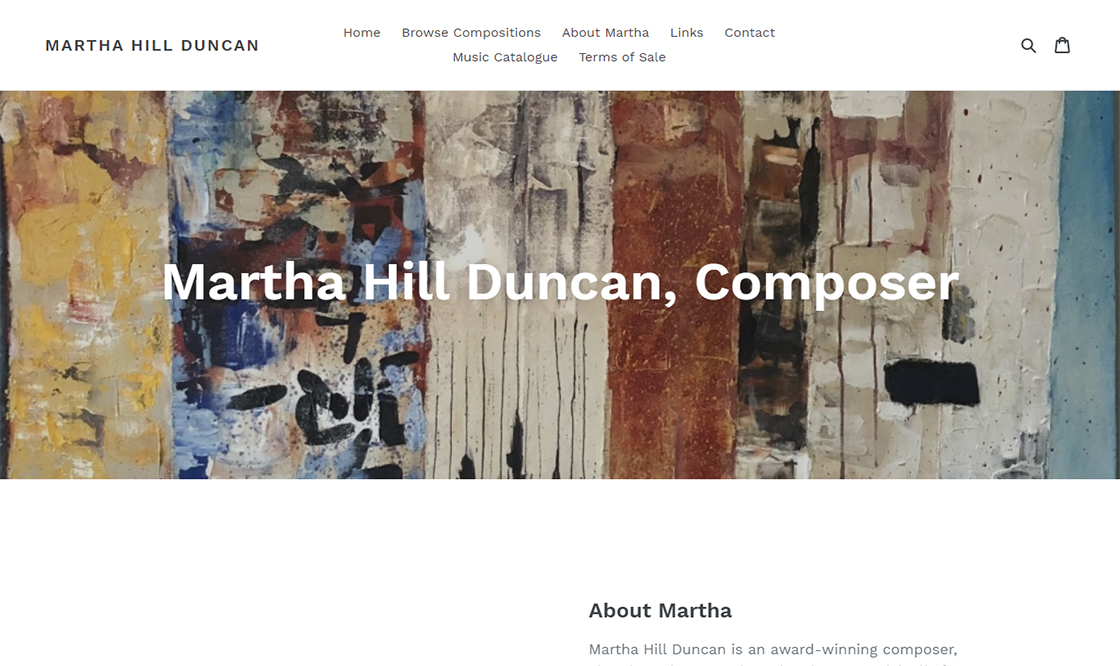
This website is for professional composer Christine Donkin. She required a site that bridged her compositional and pedagogical work and had an aesthetic that complemented her compositions, so I collaged pieces from her hand-made scores which inspired the site layout. The site also required a small backend CMS so she could easily update her home page with news about her recent work.
Technology: Photoshop, XHTML, CSS, PHP, MYSQL
www.christinedonkin.com
Greenpeace Redesign
A redesign of the Greenpeace front-page to give it a cleaner, more modern look. Though I did have some input what we wanted to accomplish with the redesign, I was mostly responsible for taking the photoshop mock-kup and handcoding it into a working site.
Technology: Dreamweaver, Flash, XHTML, CSS
Greenpeace Redesign
CSS - Alice in Wonderland
This project uses Typography and CSS to create a visual narrative out of an excerpt from Lewis Carroll's Alice in Wonderland. Rather than use text and images, I wanted to see if I could use CSS to style the typographical elements and create a sense of movement that carried the reader through the text visually.
Technology: Typography, XHTML, CSS
CSS - Alice in Wonderland
flash
Pods
Pods is an interactive drawing project. Using Actionscript to load in random pods, the user can control the direction they float in using the cursor. Multiple background layers create a sense of depth by scrolling at different speeds.
Technology: Illustrator, Photoshop, Flash, Actionscript
The Box in the Orchard
Using typography and Flash I created a short visual piece that followed the narrative of Bob Drake's The Box in the Orchard. Rather than rely on one or two fonts, I experimented with combining multiple fonts together in the same word to get the visual impact I wanted.
Technology: Illustrator, Photoshop, Flash, Typography
animation
Seasons
This short film uses After Effects to create a film-like effect by animating drawings over photographs. Using the puppet-tool, I was able to animate static drawings and give them a sense of realistic movement. I also wanted to bring elements from my print work into a film medium. I hope to continue exploring this area in the future.
Technology: Photography, Illustration, Photoshop, After Effects, Soundbooth, Absynth
Leaking Thistle
With Leaking Thistle I wanted to create images that were dependent on the audio accompanying them. I used Expressions so that the images transform in sync with the audio, creating a sense of rythym and movement out of still photographs.
Technology: Photography, Photoshop, After Effects, Soundbooth
Flash in the Can 2009
I was part of a group in charge of creating a video to promote Algonquin College at Flash in the Can 2009. Performing the role of production on this project, I was responsible for animating the intro and outro sections of the video as well as combining all the sections together into a finished product.
Technology: Green Screen, Photography, Photoshop, Illustrator, After Effects
printmaking
Ambulant Bathers & Cocoon
This is a large etching that started out as a collage from scientific illustrations of insects and old farm catalogs. The wash at the top was a spit-bite done on a separate plate which I printed onto rice paper and chine-colled as I printed the second plate.
Serenading the Tar Bucket Shoal
This print was done using a light sensitive material called ImageOn which you can expose and develop much like you would a photograph. The exposed areas of the copper plate are then aquatinted and etched in Furic acid. The length of time each section is etched determines how much ink it will hold, allowing you to create a range of tones when the plate is put through a press.
Salt Burrow & Snail
Salt Burrow & Snail was one of the first woodcut prints I made. The procedure is reductive: anything cut will not print over the last layer printed, so rather than adding color each time you print, you expose areas that you want to retain each time you print the plate. Since it is very difficult to go back a stage, woodcut requires careful planning in order to execute an image without making any mistakes.
Untitled
This untitled print is from my last year of University. I enlarged cellular diagrams, insect biology illustrations and topographical maps and collaged them onto large grids. I would then transfer the collage to a woodcut plate and carve the image out before printing it.
At the Stem of the Jetty
After doing several large scale woodcuts, I did a small woodcut for the University of Alberta's Centenary. It was included in a show along with work from professors and other students. The image originated as a collage from different topographical map elements.